Ensuring Your Business is Ready for Public Tender Opportunities
Published 23/10/2026
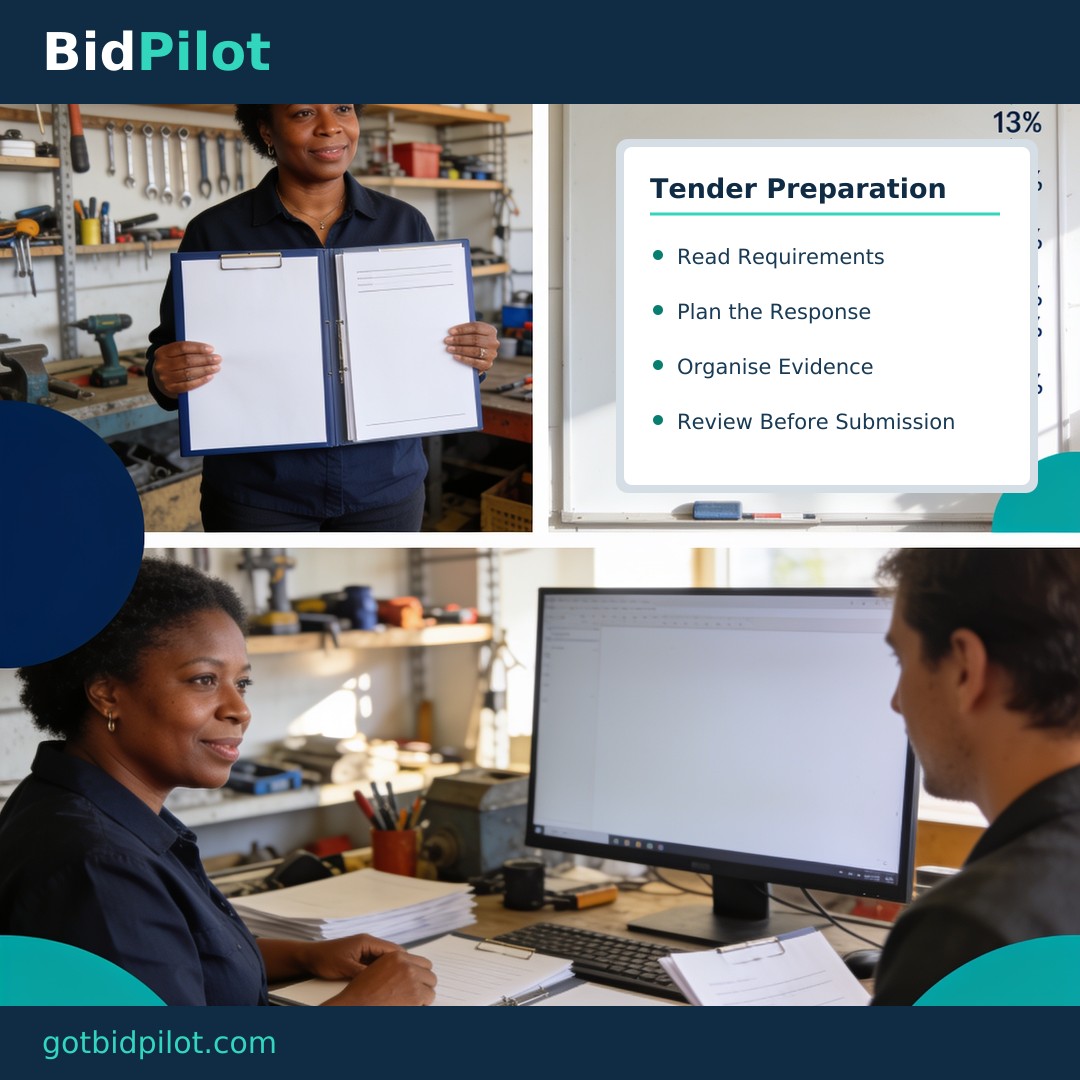
Many Irish SMEs struggle to consistently demonstrate their operational readiness and capacity to meet the specific demands of public sector tenders. This can lead to missed opportunities or unsuccessful bids, even when the business is capable. A structured approach to verifying and documenting supplier readiness is crucial for winning public contracts.
Proving Your Capacity
To win public tenders, Irish SMEs must move beyond simply stating they can fulfil a contract. Demonstrating readiness requires tangible proof.
- Understand Specific Demands: Analyse each tender carefully to identify the precise requirements for capacity, resources, and operational processes. What constitutes "ready" is specific to each contract [Supplios].
- Gather Concrete Evidence: Collect verifiable documentation for each readiness criterion. This includes details on production capacity, key personnel qualifications, relevant equipment, and established operational processes [PPN 006]. Structured evidence helps buyers understand your capabilities [AISCR Global].
- Manage by Exception: Focus on identifying and addressing critical gaps in readiness rather than a blanket review. This efficient approach helps prioritise business-critical areas [Avetta].
A connected view of supplier status provides necessary visibility into readiness [Avetta]. Monitoring expiring qualifications and performance signals can help surface potential risks before they cause delays [Avetta].
Ready to streamline your tender readiness? Explore how BidPilot can help manage your bid workflow. Visit BidPilot or learn more at BidPilot Resources.
Research sources
- How to Run a Supplier Readiness Check Before a New Program Launch | Supplios
- PPN 006: a supplier's practical readiness guide
- Beyond supplier approval: How SRM and procurement operations manage supplier readiness by exception | Avetta
- Evaluating the Role of Local Supplier Readiness ...
- Benchmarking & Intelligence
- Toolkit for Resilient Public Procurement Strategies to ...